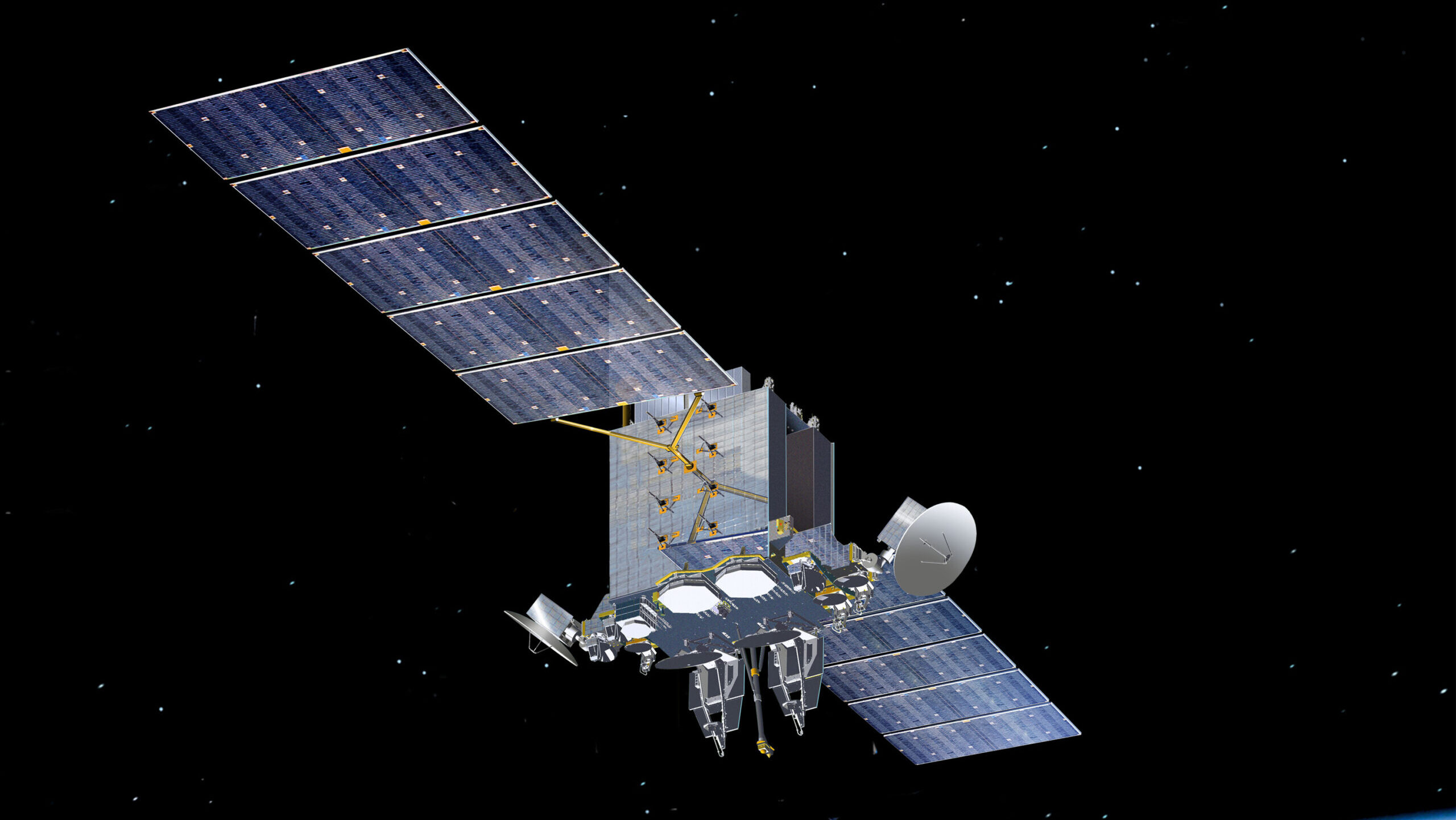
Space Force contracts Viasat, Intelsat for first of new anti-jam communication sats
The two awards are collectively worth $437.7 million, according to the Space Systems Command press release.
The two awards are collectively worth $437.7 million, according to the Space Systems Command press release.

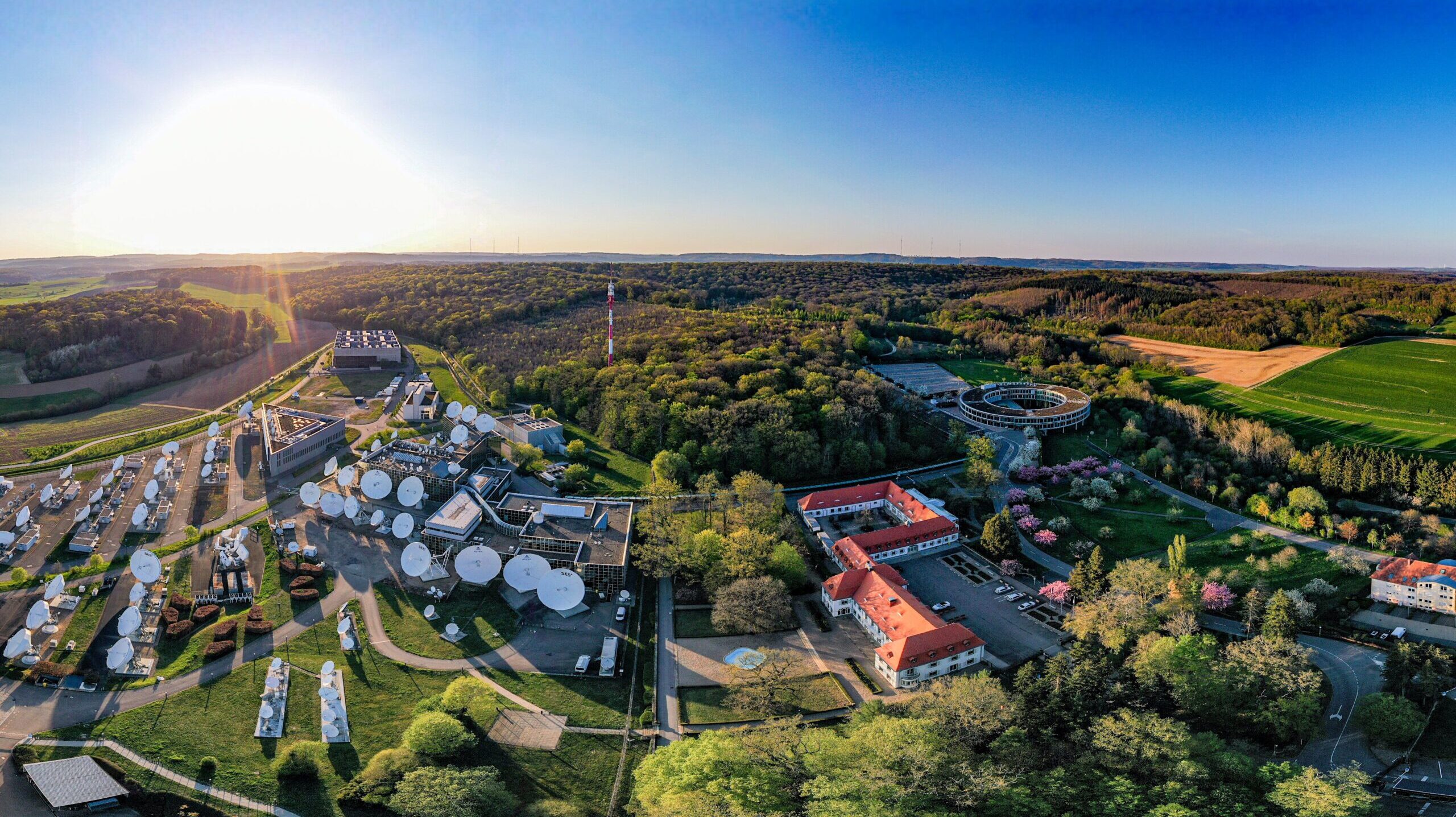
SES's American arm, SES Space & Defense, was awarded a five-year "Sustainment Tactical Network (STN) contract" to provide the US Army with satellite communications services.
AI is reshaping the Army’s approach to cyber, electronic warfare and command and control. At TechNet Augusta 2026, leaders outlined how they’re turning emerging technology into capabilities for the battlefield.

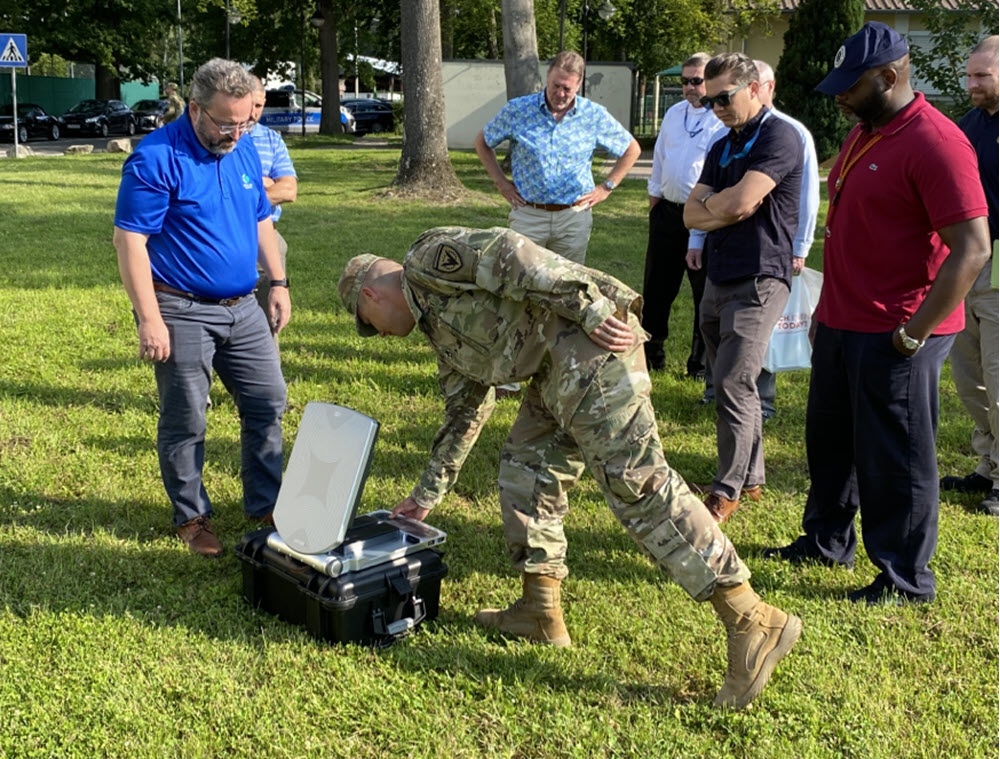
The Army is convinced that there are benefits to be had from moving to a SATCOM-as-a-service model, including rapid response to battlefield needs and access to the very latest tech.
Space industry analyst Todd Harrison said the $3.1 billion purchase is latest in a "shakeup" in the satellite communications landscape following the proliferation of LEO birds.

The COMSPOC study included a look at risks from unannounced rendezvous and proximity operations — such as those being routinely performed by the Russian "inspector" satellite Luch/Olymp that have raised hackles at the Defense Department — and the risks to US military satellites cause by mis-plotting the trajectories of adversary birds.

"I think everyone agrees that if there's a reasonable cost-based argument that paying for use does make sense," industry analyst Tim Farrar said. But "I think Elon has made that more difficult rather than less difficult because you don't normally negotiate your weapons contracts on Twitter."


Manufacturing scale, global sustainment, and next-gen tech are becoming inseparable.


Learn about the new ideas and activities that are going on now to upgrade and pay for the next generation of SATCOM.
Intelsat’s satellite services provide options to address a variety of missions, including all-domain defense operations, border security management, and disaster/humanitarian relief.

"I see a great expansion in capability that will come as a result of this," Anderson said of SpaceLogistic's first robotic on-orbit servicing mission.

Space Force will ask for 2022 money for commercial satcom, but the funds will not be for buying services as industry would like -- rather for R&D.

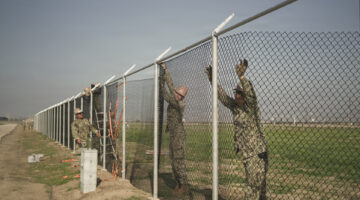
Traditional thinking about how to protect facilities must adapt to new threats such as drones or downstream attacks.

Those polled said that resiliency and cyber protection are the two most valued requirements for future milcom systems. The survey also found that there is widespread agreement that the current acquisition systems in place across the Air Force, Army, Navy and DoD are too creaky.

The vision itself isn't the only thing that is needed, industry sources say. A concept of operations is required for how the Air Force will manage different user needs and interact with different industry providers. "The vision is out, but there is no concept of operations," said one source.
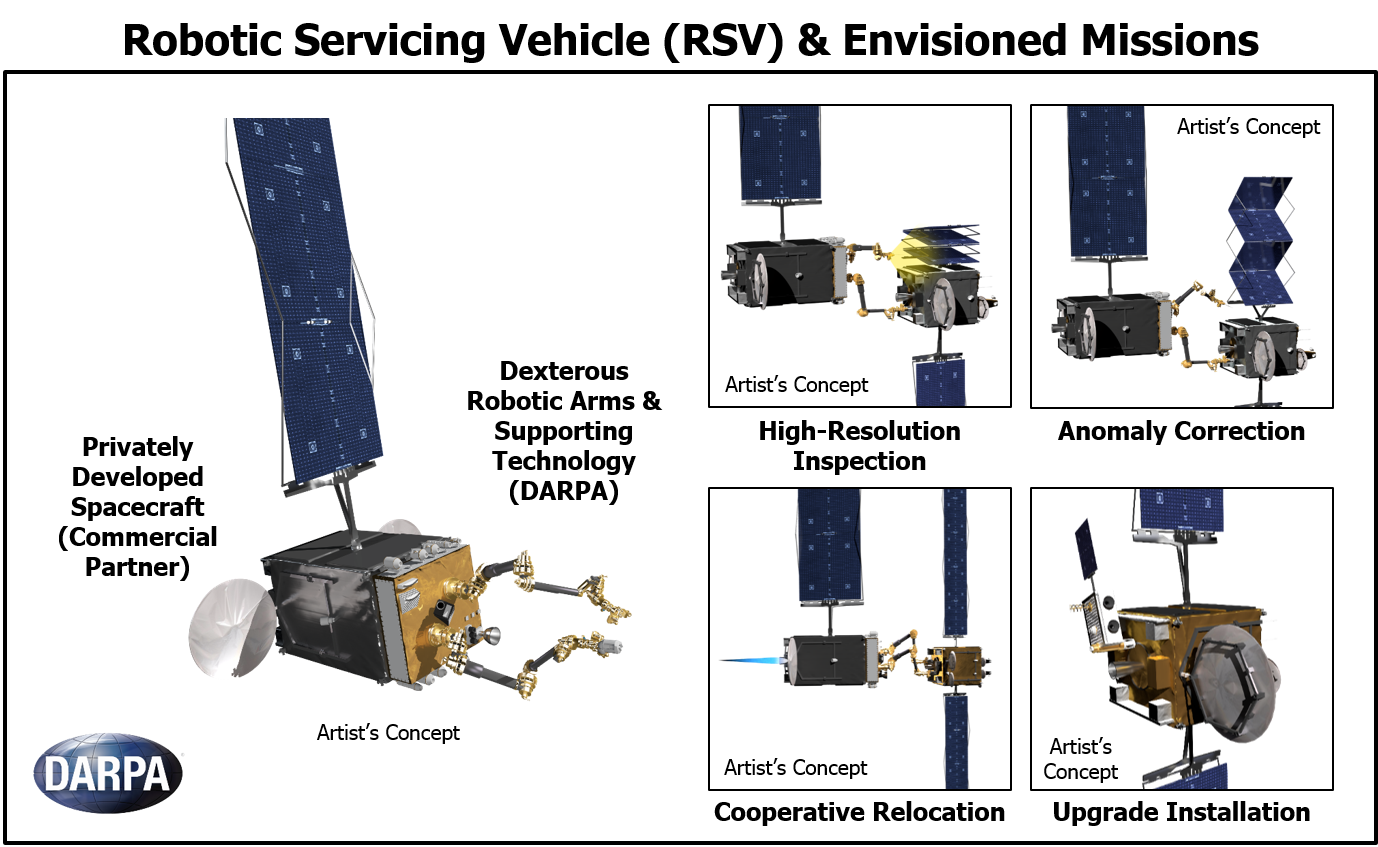
The robot satellite known as RSGS will provide four types of service: inspection of anomalies that appear in a satellite's operations; assist with adjustments to a satellite's orbit; correct mechanical problems; and, help install new payloads to upgrade capabilities.

"President Trump has made it clear that the race to 5G is a race America will win," Pence said.